The Crew Saw It Coming Before You Did
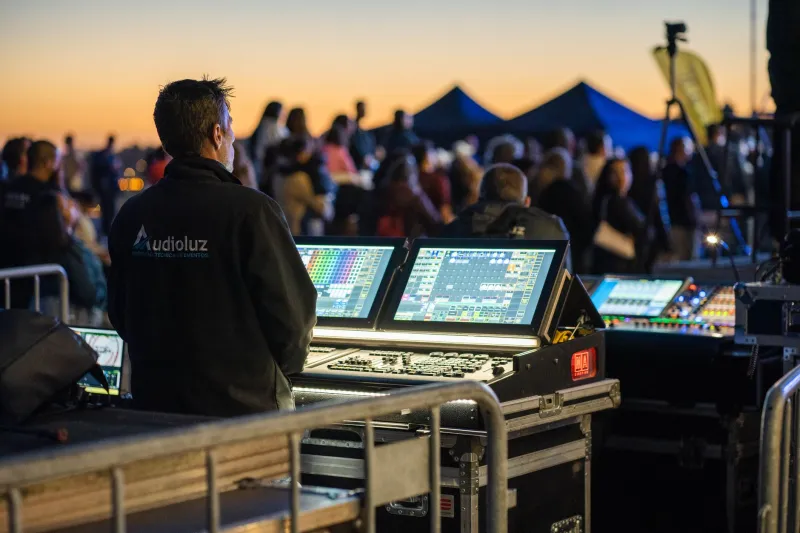
There is a person standing at the side of the stage in black clothes, staring at a screen, pressing buttons like they are defusing a bomb. Most performers walk right past them. That is a mistake. That person knows more about your show than you do in the moment. They can see the crowd when you cannot. They can hear the room when you are lost in the monitor. They can feel the energy dip three songs before you do.
In 2026, the line between performance and production has never been blurrier. Shows are livestreamed. Clips are cut from the booth. Lighting is content. Sound is content. The tech crew is not a separate world that exists to serve the artist. They are part of the cast. They just do not get a bow.
Your Show Is a System, Not a Solo Act
A live performance is a system. The performer is one part. The room is another. The lights, the sound, the stage layout, the temperature, the bar line, the bathroom line, the security team, and the person running the follow spot are all part of the same machine. When the machine works, the audience feels it without knowing why. When it fails, the performer usually takes the blame or gives it.
The crew sees the machine from the inside. The lighting designer knows where the crowd stops paying attention. The sound engineer knows when the room is getting too loud to hear the vocals. The stagehand knows the quick-change is not quick enough. The venue manager knows the fire marshal is already annoyed. None of these people are trying to ruin your art. They are trying to keep the system from collapsing while you do your job.
Learn Their Language (or at Least Stop Ignoring It)
The first step is embarrassingly simple: learn their names. Say hello. Ask what they need from you. Tell them what you need from them. Soundcheck is not a formality. It is a collaboration. If you spend soundcheck complaining about the monitor mix without listening to the person who is actually mixing it, you are not being a demanding artist. You are being a bad collaborator.
Here is a short list of things the crew knows that you might not. The lighting designer can see the audience's faces. If they hold the house lights or bring them up early, pay attention. There might be a medical issue. There might be a fight. There might be a crowd surge. The sound engineer can hear feedback building before it becomes a scream. If they signal you to pull back, pull back. The stagehand knows the floor is slippery, the riser is wobbly, or the cable is not taped. Trust them.
The Room Speaks Through Cues
Tech crews have their own language. Some of it is verbal. Most of it is not. A hand signal. A head shake. A thumbs up. A finger pointed at the ceiling. A quick cut of the eyes toward the side of the stage. If you do not know the cue system, ask. If you do know it, use it.
The best performers I have watched treat the crew like a second pair of eyes. They check in during the show. They make eye contact with the monitor engineer. They nod at the lighting designer when a cue lands. They do not treat the booth as a bunker. They treat it as a collaborator.
This does not mean you have to be best friends with everyone. It means you have to stop pretending the show is only happening where the spotlight is. The show is happening everywhere. The crew is just better at watching all of it at once.
Stop Treating Production Like a Separate Country
There is a weird hierarchy in live performance where the artist is the creative genius and the crew is the help. That hierarchy is not only rude. It is bad for the show. The crew can make a good show great or a great show good. They can save a bad night or let it fall apart. They can also tell you the truth about your set when everyone else is too polite.
Invite them into the process. Ask the lighting designer what they see from the booth. Ask the sound engineer what the room sounds like. Ask the stage manager where the show drags. You do not have to take every note. But you should at least know what the room looks like from where they stand.
A Short Field Guide for Better Collaboration
- Introduce yourself before soundcheck, not after the show.
- Bring coffee or snacks. It is not a bribe. It is basic respect.
- Give notes early and specifically. 'Can we bring the vocal up in the second verse' beats 'It sounds weird.'
- Learn the cue for 'you need to wrap this up.' It is usually a pointed finger at a watch.
- Say thank you on the mic. Credit the crew by name if you can.
- Do not blame the crew for a bad show in front of the audience. That is a small-room crime.
- Pay them properly. Exposure is not a monitor mix.
The invisible cast is not invisible. They are the reason the show looks and sounds like a show. In 2026, with more performers than ever competing for attention, the ones who last are usually the ones who understand that production is not a separate country. It is the same country. You just have not been looking at the whole map.
The crew saw it coming before you did. The least you can do is listen when they tell you.