Selim Hanturer Art, Performance & the Stories Between

Selim Hanturer

Art, Performance & the Stories Between

Latest Articles

The Door Price Is a Creative Choice
Opinion

The Door Price Is a Creative Choice

A cheaper ticket is not automatically a nobler ticket. But when a performer drops the price, the room changes: who comes, how they listen, and what they expect. A 2026 argument for treating affordability as an artistic decision with real trade-offs.


The Clean Decline: How to Pass on a Gig and Keep the Door Open
Features

The Clean Decline: How to Pass on a Gig and Keep the Door Open

A well-paying gig can still be the wrong gig. Here is a practical, low-drama field guide to saying no in 2026, without over-explaining, ghosting, or burning the relationships you will need later.

Before the First Note: The Quiet Work of a Pre-Show Ritual
Essays

Before the First Note: The Quiet Work of a Pre-Show Ritual

Soundcheck looks like cables, counts, and a half-empty room. It is also where performers rehearse the emotional shape of the night. A look at the private routines that settle a show before it starts, and how to build one that actually helps.

The Encore Has Terms and Conditions
Opinion

The Encore Has Terms and Conditions

The encore used to feel like a surprise. Now it feels like a clause in the ticket price. A look at when coming back out is generous, when it is a hostage situation, and how performers can end a show without lying to the room.

The Room Is the Instrument
Essays

The Room Is the Instrument

In 2026, performers are told to optimize for clips, reach, and remote audiences. But small rooms still teach the things a feed cannot: timing, attention, and the feeling of being in a place with other people. A case for the stage as one of the last true third places.

The Crew Saw It Coming Before You Did
Features

The Crew Saw It Coming Before You Did

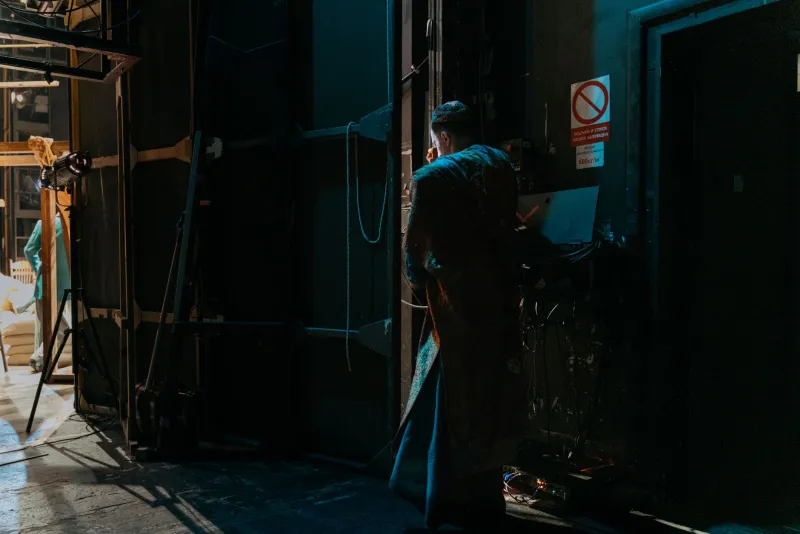
The people in black at the side of the stage are not background. They are reading your show in real time. A practical guide to collaborating with tech crews, understanding their cues, and treating production as part of the performance.

3 A.M. With the Lights Off: Landing After the Show Ends
Essays

3 A.M. With the Lights Off: Landing After the Show Ends

The room loved you, the applause ended, and now you're staring at a hotel ceiling wondering why you feel worse than before you walked onstage. The post-show crash isn't a verdict on your work — it's chemistry, comedown, and a landing you were never taught to do.

Playing to a Room That Already Knows the Punchline
Features

Playing to a Room That Already Knows the Punchline

More performers are being discovered by a 20-second clip than by a live set, which means the first room they play is often full of people who think they've already seen the show. Here's what changes when the audience arrives holding a fragment instead of a blank slate — and why the best answer isn't to hide the bit they came for.

The Folding Table Doesn't Lie: Seven Lessons From the Merch Line
Opinion

The Folding Table Doesn't Lie: Seven Lessons From the Merch Line

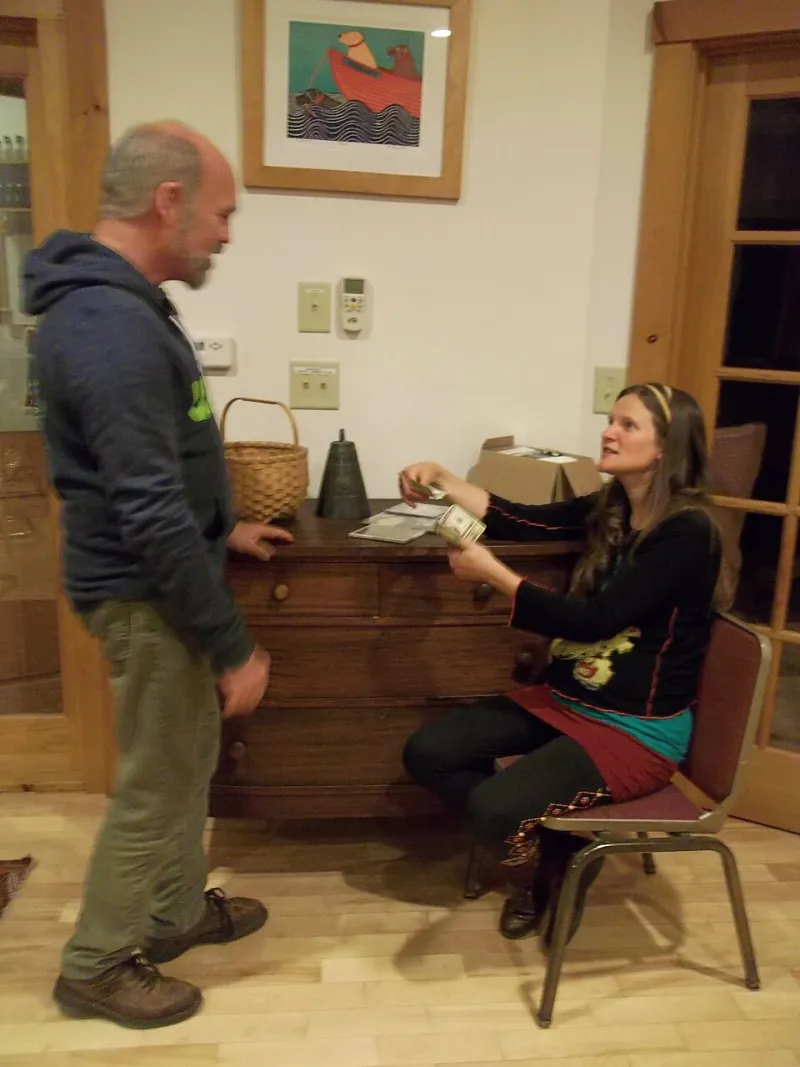
No lights, no setlist, no rehearsal — just a folding table, a card reader that refuses to cooperate, and a line of strangers who want to talk. The merch table is the most honest performance most of us give, and it has taught me more about audiences than any stage ever has.

You Told the Internet Everything. Now What?
Opinion

You Told the Internet Everything. Now What?

Sharing personal stories online can build a real, devoted audience — but it can also trap you inside a version of yourself you created three years ago. The line between authentic connection and emotional overexposure is thinner than most performers realize until they've already crossed it.

Side Project Energy: Why Your 'Just for Fun' Work Hits Harder Than the Main Event
Essays

Side Project Energy: Why Your 'Just for Fun' Work Hits Harder Than the Main Event

There's something quietly radical about the work you do when nobody's watching the budget or the timeline. Side projects, survival gigs, and creative detours have a funny way of becoming the most honest things you've ever made — and the most innovative.

The Long Game: What Happens When You Choose Your Vision Over the Viral Moment
Features

The Long Game: What Happens When You Choose Your Vision Over the Viral Moment

In a creative culture built around 15-second attention spans and trending audio, there's a quiet group of artists doing something almost countercultural: finishing what they started. This is about the ones who said no to the shortcut and kept building anyway.

Borrowed Shoes, Better Footwork: What Understudies and Fill-Ins Know That Stars Don't
Essays

Borrowed Shoes, Better Footwork: What Understudies and Fill-Ins Know That Stars Don't

There's a particular kind of performer who never gets the standing ovation they deserve — the one who learned the role in two days, stepped in without a rehearsal, and somehow made it look like they'd been doing it their whole life. Being second choice isn't a consolation prize. For a lot of artists, it's actually the best education they'll ever get.

The People Who Never Shut Up About Your Work Are the Ones Who Actually Love It
Essays

The People Who Never Shut Up About Your Work Are the Ones Who Actually Love It

The comment section that tears your latest piece apart line by line? That's not your enemy — that might be your most loyal audience. There's a strange psychology behind the fans who critique hardest, and once you understand it, the noise starts to sound a whole lot different.

Waiting in the Wings: What the Second Slot Teaches You That the Spotlight Never Will
Essays

Waiting in the Wings: What the Second Slot Teaches You That the Spotlight Never Will

Being the backup, the understudy, the one nobody's watching — it sounds like a consolation prize. But some of the most skilled, most resilient performers alive built everything they have in exactly that shadow. There's a reason the best teachers were never the most famous students.

Screaming Into the Void: What Happens When the Algorithm Decides Your Best Work Doesn't Exist
Essays

Screaming Into the Void: What Happens When the Algorithm Decides Your Best Work Doesn't Exist

You pour everything into a piece — months of craft, real emotional risk, genuine originality — and the algorithm shrugs. This essay explores what it costs performers and artists to keep creating when the machine simply doesn't care, and why some of the most interesting people in the creative world have started treating invisibility like a strange kind of freedom.

They Know You're Lying: How Audiences Read You Before You Speak a Single Word
Essays

They Know You're Lying: How Audiences Read You Before You Speak a Single Word

Long before a performer opens their mouth, an audience has already made up its mind. The body keeps score, the voice leaks truth, and crowds are wired to catch every crack in the facade — which means authenticity isn't a personality trait you either have or don't. It's a skill you build, the same way you build anything else.

The Graceful Crash: What Great Performers Know About Falling Apart in Public
Essays

The Graceful Crash: What Great Performers Know About Falling Apart in Public

Nobody teaches you how to blank on your lyrics in front of two thousand people. Nobody walks you through what to do when the mic cuts out mid-monologue. But the performers who last aren't the ones who never mess up — they're the ones who've quietly mastered the art of the recovery.

The Better You Get, The More You Doubt Yourself — And That's Not a Bug
Essays

The Better You Get, The More You Doubt Yourself — And That's Not a Bug

There's a cruel twist in the creative life: the more skilled you become, the more convinced you are that you're faking it. This essay digs into why accomplishment and self-doubt so often arrive together — and what that might actually mean for your work.

Dream Collab, Nightmare Reality: What Nobody Tells You About Creating With Your Heroes
Essays

Dream Collab, Nightmare Reality: What Nobody Tells You About Creating With Your Heroes

Getting the chance to work alongside someone you've idolized can feel like the finish line — until you're actually in the room together and everything starts to unravel. The gap between admiring someone's art and making art with them is wider than most people expect, and crossing it costs something.