Living in the Glass House: What Performers Lose (and Gain) When the Camera Never Stops Rolling
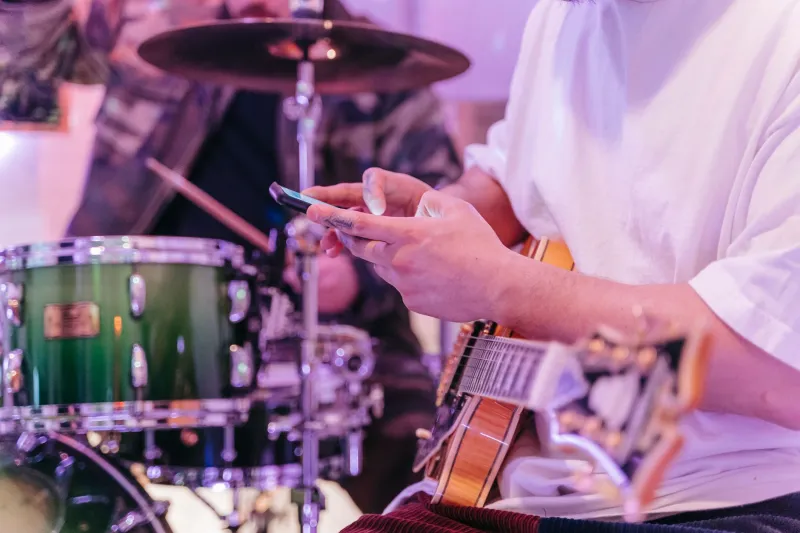
There's a moment a lot of performers describe — usually somewhere between their first thousand followers and their first viral post — where they realize the audience isn't just watching the work anymore. They're watching everything. The morning coffee. The airport gate. The bad mental health day they thought they were keeping off the grid.
It's not malicious. Most of the time, it's not even intentional on the audience's part. It's just what the platforms were built to encourage. And somewhere along the way, the idea of a performer having a genuinely private life started to feel almost... suspicious.
This is the tension a lot of artists are sitting with right now, and it's one I think about constantly in my own work. Where does the performance end? Does it have to?
The Collapse of the Backstage
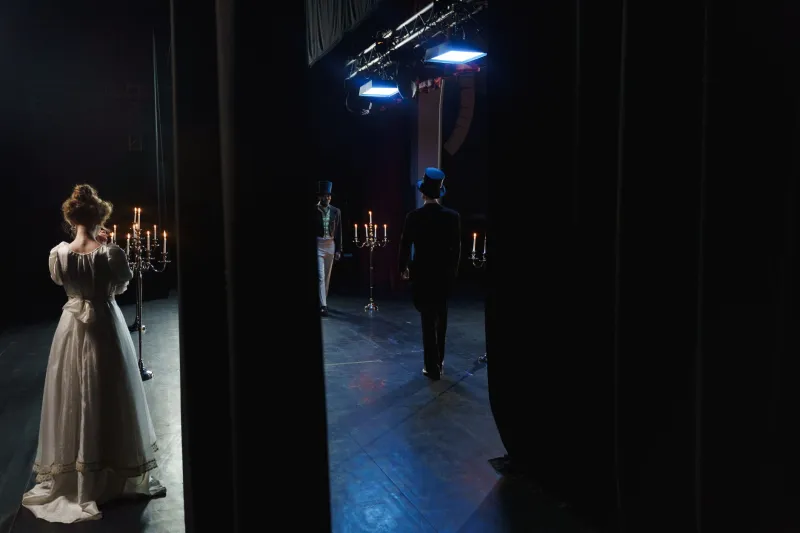
For most of entertainment history, there was a clear (if porous) line between stage and street. Audiences saw Marlon Brando in the theater or on screen. They didn't expect a daily dispatch from his kitchen. The mystique was part of the deal — and in many ways, it protected both the performer and the art.
Social media didn't just blur that line. It monetized the blurring. Platforms reward consistency, frequency, and perceived intimacy. Algorithms favor content that feels personal. Which means that for performers trying to build an audience today, there's a very real financial and career incentive to keep peeling back layers — even when there's nothing left to give.
Dancers, musicians, comedians, theater actors — people across every discipline are navigating this. A choreographer I spoke with who runs a mid-sized contemporary dance company in Brooklyn told me she spent two years posting daily behind-the-scenes content before she hit a wall. "I'd share rehearsal clips, my warm-up routine, even the arguments we had about creative direction," she said. "And the audience loved it. But I started to feel like I was living my life at people instead of just living it."
That phrase — living your life at people — stuck with me. Because it gets at something real about what constant documentation does to experience. When every moment is potential content, presence becomes performance.
The Authenticity Trap
Here's the uncomfortable irony: the more performers share in pursuit of authenticity, the more they risk manufacturing a new kind of artifice. The "real me" you're seeing on Instagram Stories was still chosen, still edited, still filtered through the awareness that someone is watching.
A comedian based out of Chicago who's been building his following for about four years described it this way: "I started sharing the stuff that wasn't polished — the open mic bombs, the bad nights, the anxiety before a set. And people responded really well to it. But then I noticed I was starting to perform vulnerability. Like, I'd have a rough night and immediately think, 'This is good content.' That's when I knew something was off."
This is the authenticity trap. The audience wants the real you, but the act of presenting yourself to an audience means you're always, on some level, curating. The goal isn't to stop curating — it's to curate intentionally, with your own wellbeing as part of the equation.
Drawing Lines That Actually Hold
So what does a sustainable boundary actually look like for a working performer in 2024? Based on conversations with artists across different disciplines, a few strategies keep coming up.
Decide what's off-limits before you're tempted. This sounds simple, but most performers who've found a workable balance say they made explicit decisions in advance — not in the heat of a moment when they were riding the high of audience engagement. Some people decide family is never on the feed. Others keep relationships entirely private. A few keep their home completely out of frame. The specific rule matters less than the fact that it was made deliberately.
Distinguish between sharing and oversharing. There's a meaningful difference between letting your audience into your creative process and letting them into your therapy session. Sharing rehearsal footage, creative struggles, artistic influences — that's content that serves both your career and your sense of self. Sharing your mental health crises, your relationship conflicts, your family drama — that's where things get murky fast. Not because vulnerability is wrong, but because those things deserve protection, and the internet has a long memory.
Build a life that exists off-camera. This one sounds obvious until you realize how many performers have quietly let it slip. Having friendships, hobbies, and spaces that are genuinely not documented isn't just good for your mental health — it actually makes your public presence richer. You can't draw from an empty well. If every experience immediately becomes content, you stop having experiences and start having content opportunities. That's a rough way to live.
Communicate with your audience about what you share and why. Some performers have found that being transparent about their boundaries — not about the private things themselves, but about the fact that they have private things — actually strengthens audience trust. It signals that what you do share is genuine, not just a flood of everything. Audiences, by and large, respect that more than they're given credit for.
What the Audience Is Actually Looking For
Here's something worth sitting with: most audiences don't actually want unlimited access. What they want is connection. They want to feel like they know you, like your work comes from somewhere real, like there's a human being behind the art.
Those things don't require you to sacrifice your private life. They require you to be present and honest in what you do share. A single, genuinely felt post about why a piece of work matters to you will do more for audience connection than thirty pieces of hollow behind-the-scenes filler.
The performers who seem to navigate this best aren't the ones who share the most. They're the ones who share with intention — who've figured out which parts of themselves they can give freely and which parts need to stay theirs.
The glass house doesn't have to be your whole house. You're allowed to keep some rooms dark.