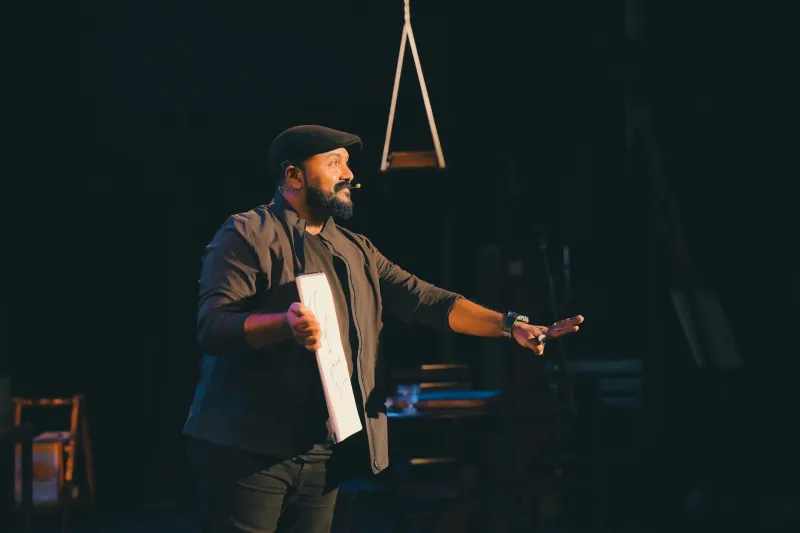
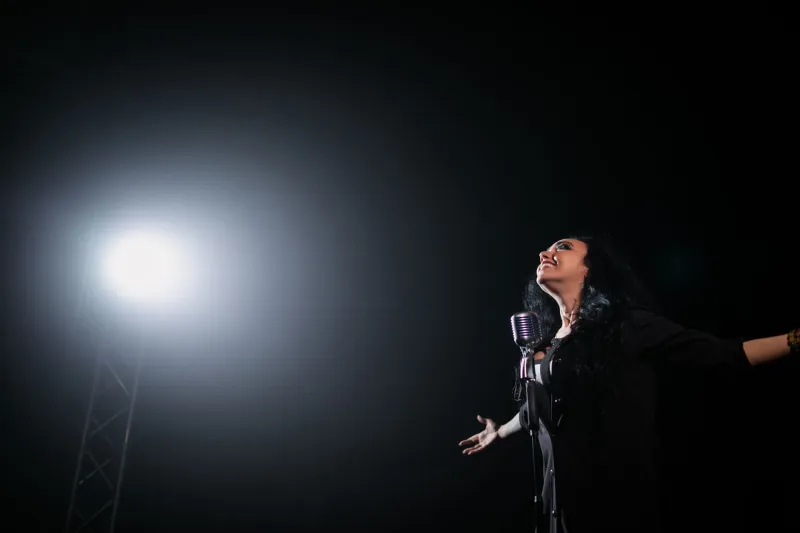
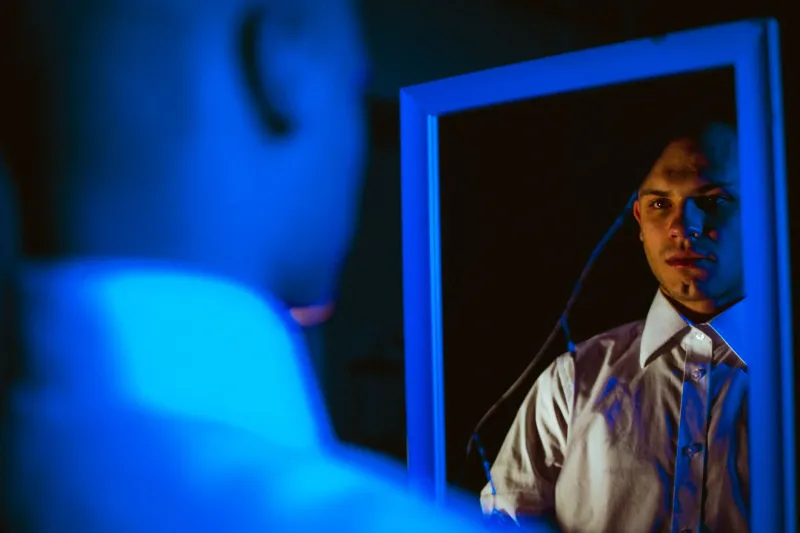
Screaming Into the Void: What Happens When the Algorithm Decides Your Best Work Doesn't Exist
There's a specific kind of silence that follows a piece of work you actually believed in. Not the comfortable quiet of a project you were lukewarm about anyway — the other kind. The silence after you hit publish on something that cost you something real. You watched the numbers. You refreshed. You waited for the thing to find its people. And then, mostly, nothing happened.
If you've spent any serious time making things — performing, recording, writing, painting, building anything meant for an audience — you know this silence. It has a texture to it. It's not the same as failing publicly. It's stranger than that. It's more like shouting into a room and having the room simply not register that sound is occurring.
Welcome to what I've started calling the attention tax.
What the Algorithm Actually Rewards (Spoiler: It's Not Originality)
Here's the uncomfortable truth about how content gets surfaced in 2025: the systems we rely on to distribute creative work are optimized for engagement velocity, not quality. They don't know the difference between a piece that took you three years and one you knocked out in forty minutes. They measure clicks, shares, watch time, saves — proxies for attention, not proxies for meaning.
This creates a genuinely weird incentive structure for serious artists. The work that tends to travel fastest is work that's immediately legible — stuff that fits neatly into existing categories, confirms what people already believe, or triggers a fast emotional response. The work that actually moves culture, the stuff that challenges assumptions and demands something from the audience, tends to be slower, stranger, harder to categorize. And slower, stranger, harder to categorize is basically a death sentence in the first 48 hours of a post's life.
The algorithm isn't malicious. It's just indifferent in a way that feels personal when you're on the receiving end of it.
The Psychological Weight of Full-Capacity Work That Goes Nowhere
What nobody talks about enough is what this does to a person over time. When you're creating at full capacity — genuinely swinging for something ambitious — and that work consistently disappears into the feed without a trace, the natural psychological response is to start questioning the work itself. Maybe it wasn't as good as you thought. Maybe you're out of touch. Maybe the audience is telling you something.
Sometimes that self-doubt is useful. Sometimes it's just the algorithm talking, and you're mistaking its indifference for feedback.
I've talked to performers who've quietly shelved entire creative directions because those directions weren't getting traction online — not because the work was bad, but because it wasn't optimized for distribution. That's a genuinely strange kind of artistic self-censorship. Not the kind imposed from outside, but the kind you impose on yourself after watching your most honest work get buried often enough.
The toll is real. Creating at full capacity requires a kind of vulnerability that's hard to sustain when the return is consistently nothing. You start hedging. You start producing safer work, more digestible work, work you're less attached to — because being less attached means getting hurt less when it disappears.
And somewhere in that hedging, something important gets lost.
The Creators Who Figured Out How to Reframe Obscurity
Here's where it gets interesting, though. Because there's a whole contingent of working artists who've arrived at a different relationship with invisibility — and some of them are doing the most genuinely exciting work happening right now.
The reframe isn't complicated, but it requires a real shift in how you think about what you're doing and why. The artists I've seen navigate this most successfully have essentially decoupled the act of creation from the expectation of immediate reach. They've stopped treating algorithmic performance as a grade on the work itself.
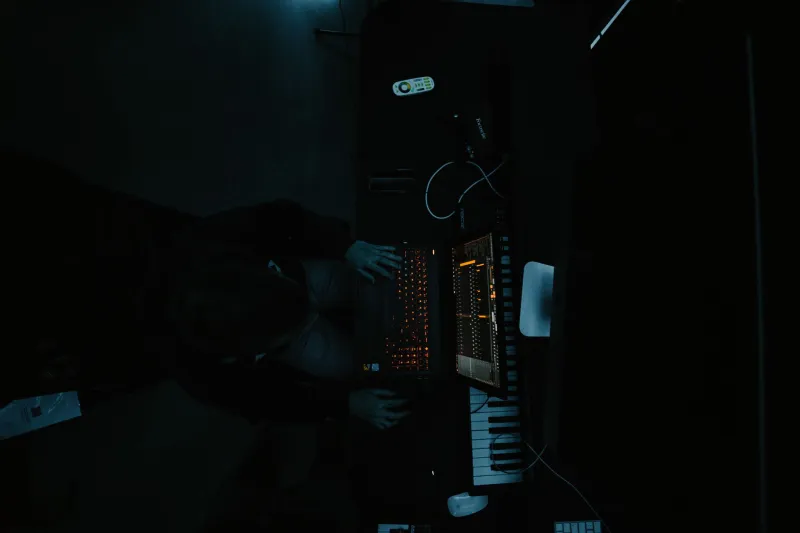
A musician I know who's been releasing experimental electronic stuff for years put it plainly: "I decided the audience for this is real, it's just not assembled yet. My job is to keep making the thing. Someone else's job is to eventually find it."
That's not passive resignation — it's actually a pretty aggressive creative stance. It requires believing in the work independently of whether the machine validates it. Which, if you think about it, is exactly what serious artistic practice has always required. The algorithm is new. The problem of creating without guaranteed reception is ancient.
Obscurity as a Feature, Not a Bug
There's a case to be made — and I find it increasingly convincing — that working in relative obscurity offers something that visibility can't. When nobody's watching, the pressure to perform for the audience relaxes. The work can be weirder, more exploratory, less concerned with landing cleanly. Some of the most formally interesting creative work happens in the spaces the algorithm hasn't colonized yet.
This isn't a comfortable thought if you need the work to pay rent. The economics are real and I don't want to romanticize struggling in a garret. But as a creative philosophy, there's something genuinely useful in treating the algorithm's indifference as permission rather than punishment.
The attention tax is real. You will pay it. Your best work might disappear into the feed and never resurface. That's not fair, and I don't think pretending it is serves anyone.
But the alternative — calibrating your creative choices entirely around what the machine rewards — has its own costs. You might gain reach and lose the thing that made the work worth making in the first place.
Persisting When Nobody's Watching
Maybe the most honest thing I can say is this: the real performance of this era might just be continuing to create seriously when the infrastructure around creation is actively indifferent to seriousness. That takes something. It takes a relationship with the work that doesn't depend on external validation to stay intact.
That's not easy. It's also not nothing.
The creators who seem to sustain themselves through long stretches of algorithmic invisibility tend to have a few things in common. They maintain a small but genuine community — not a massive following, but actual people who care about what they're making. They find ways to measure progress that aren't tied to platform metrics. And they've made some kind of peace with the gap between quality and reach, understanding that the two have always been imperfectly correlated and that the internet didn't create that problem, it just made it more visible.
The void will not always scream back. Make the work anyway. Keep the receipts. The algorithm's memory is short, but good work has a way of finding its moment — sometimes years after you'd stopped expecting it to.