Borrowed Shoes, Better Footwork: What Understudies and Fill-Ins Know That Stars Don't
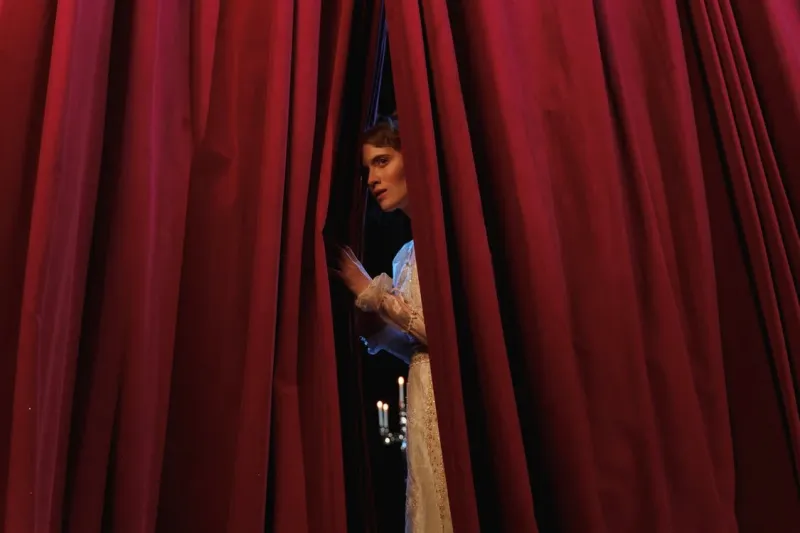
Photo: understudy performer backstage theater watching from wings, via actingmagazine.com
There's a particular kind of performer who never gets the standing ovation they deserve — the one who learned the role in two days, stepped in without a rehearsal, and somehow made it look like they'd been doing it their whole life. Being second choice isn't a consolation prize. For a lot of artists, it's actually the best education they'll ever get.
I've been thinking about this a lot lately. About the musicians who spent years as session players before anyone called them by name. About the dancers who covered for injured leads in regional touring companies and quietly outperformed the person they were filling in for. About the comedians who got bumped to the opening slot so many times they became the most adaptable, crowd-ready act on the bill. None of these people were handed their lane. They found it by driving in someone else's.
What It Means to Step Into Borrowed Shoes
When you're the lead — when you've trained for a specific role, auditioned for it, built your whole identity around it — there's a kind of tunnel vision that comes with the territory. That's not a criticism. Focus is essential. But it also means your entire artistic development gets shaped around one set of demands. You get really, really good at one thing.
The understudy doesn't have that luxury. They have to learn the lead's choreography, the lead's blocking, the lead's cues — and then figure out how to inhabit all of it without looking like a bad photocopy. That's a completely different cognitive and creative challenge. You're not just performing. You're translating.
And translation, it turns out, is one of the most demanding artistic skills there is. You have to understand something deeply enough to render it in your own body, your own voice, your own instincts — while still honoring the structure you've inherited. That tension between fidelity and authenticity? That's where some of the most interesting artistry lives.
The Pressure That Actually Builds Something
Here's what nobody really talks about: the stakes for a fill-in are completely different from the stakes for the person whose name is on the marquee. When the lead has a rough night, the audience gives them the benefit of the doubt. They've earned that grace. When the understudy walks out? The room is already skeptical. They came to see someone else. You have to win them before you've even opened your mouth.
That's not a comfortable position. But it is an incredibly clarifying one.
When you know you're performing for an audience that would've preferred someone else, you stop being able to rely on goodwill. You have to rely on craft. You have to be sharper, more present, more committed to every single moment — because there's no reservoir of audience affection to coast on. That kind of pressure doesn't break good performers. It refines them.
A lot of the most technically precise, emotionally available performers I've come across got that way because they spent years in the backup position. They couldn't afford to be anything less than fully on.
Flexibility as a Superpower
There's also something to be said for what happens to your range when you spend time in roles that weren't built for you. When a role is designed around your specific strengths, it fits. It's comfortable. But comfort and growth are not the same thing.
Fill-ins and understudies regularly find themselves stretching into spaces that don't quite fit — and in that stretch, they discover capabilities they didn't know they had. The alto who covers for a soprano and finds a whole new upper register. The character actor who steps into a lead role and realizes they've been underselling their own charisma for years. The guitarist who fills in for a keyboardist at a session and figures out how to think about melody in an entirely new way.
Creative flexibility isn't just a nice-to-have. It's what separates performers who have a career from performers who have a moment. The industry — any creative industry — is unpredictable. Projects fall apart. Collaborators bail. Venues cancel. The artists who survive and keep building are almost always the ones who learned early how to adapt, how to pivot, how to make something work even when the conditions aren't ideal.
Understudies learn that by necessity. Leads often learn it much later, if at all.
Proving Yourself in Someone Else's Story
There's a specific kind of confidence that comes from succeeding in a role you weren't supposed to have. It's different from the confidence that comes from doing what you've always done well. It's deeper, and honestly, it's more durable.
When you've stepped into borrowed shoes and made them work — when you've walked out in front of a skeptical room and turned it around — you carry that with you. You know something about yourself that can't be taken away. You know you can handle the unexpected. You know your artistry is yours, not just a product of favorable conditions.
That's not something you learn from always having your dream role. You learn it from not having it, and showing up anyway.
What the Lead Doesn't See From Center Stage
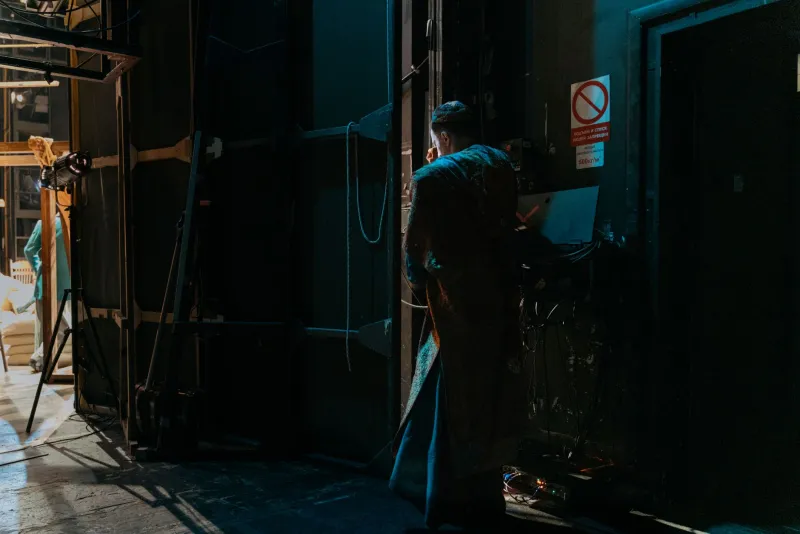
One more thing worth saying: understudies watch. They watch constantly. They study the lead's performance from the wings, from the back of the rehearsal room, from the third row on their nights off. They develop an observational depth that performers who are always performing rarely get the chance to build.
That kind of watching — analytical, curious, detail-hungry — shapes the way you eventually approach your own work. You start to see performance from the outside as well as the inside. You develop a dual awareness that makes you a smarter, more self-aware artist.
It's not glamorous. It doesn't get written up in the press. But it's real, and it matters.
So if you're in the backup position right now — if you're the fill-in, the replacement, the one who got the call because someone else dropped out — I'd encourage you to take it seriously. Not because it's a stepping stone to something better, though it might be. But because what you're learning right now, in those borrowed shoes, is something the person in the spotlight might never fully understand.
And that knowledge? It's entirely yours.