Playing to a Room That Already Knows the Punchline
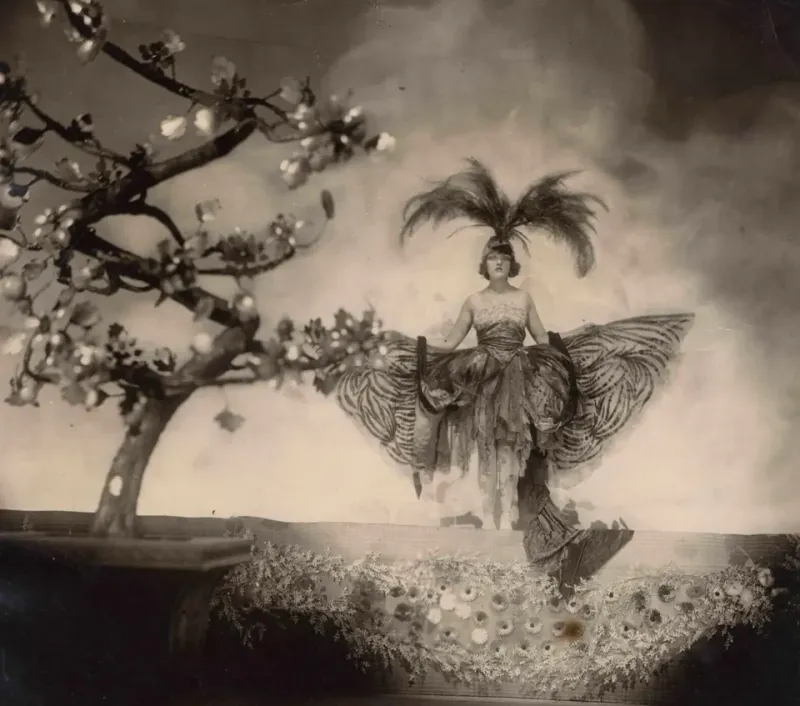
Photo: Unknown authorUnknown author, Public domain, via Wikimedia Commons
There's a version of this story that gets told as a triumph: unknown performer posts a nineteen-second clip, the clip goes to four million views, the performer sells out a five-hundred-cap room three weeks later. Everyone claps. Credits roll.
The part that never makes the recap is the show itself — the odd, slightly airless feeling of walking onstage in front of a crowd that has already seen the funniest thing you have ever done, and can quote it back to you before you've finished saying hello.
I've watched this play out in a half-dozen rooms over the past year, from a packed club in Brooklyn to a converted church in the Midwest where the front row had clearly memorized the timing of a bit they'd never seen performed live. It's not a crisis. But it is a shift in the job, and the performers who are handling it well are doing something specific.
The Clip Is a Promise You Never Actually Made
A viral fragment gets read as a sample of the whole. If those twenty seconds were that good, the logic goes, then ninety minutes must be extraordinary. What the audience doesn't see is the editing: the ten takes, the trimmed setup, the lucky audience reaction, the caption that did half the work.
So people show up having already signed a contract on your behalf. They expect a certain rhythm. They expect to laugh at a specific moment in a specific way. And when you open with something slower — a story, a piece of music, a bit of stagecraft that needs three minutes to breathe — you can feel the room's patience thinning, because they've been promised dessert and you're serving bread.
None of that is malice. It's just what a fragment does. It creates an audience with a memory of you that you don't share.
Pacing for People Who Think They Know the Ending
The first instinct is to hide the famous bit — bury it at minute forty, make them earn it. The second instinct, usually arriving two weeks later, is to get it out of the way immediately so the room can relax.
Both instincts are honest, and both are half right. What actually seems to work is a third option: perform the bit earlier than feels comfortable, but change how it arrives. Give it a longer runway than the clip had. Let a real room react to it in real time, which is a completely different texture from a phone's tinny laugh track. When the well-known moment is delivered with an actual build behind it, something useful happens — the audience stops waiting and starts listening, because they realize the thing they saw online was a summary of something bigger.
What kills a set isn't the crowd knowing the punchline. It's the crowd being able to predict the shape of the whole evening. Predictability is the enemy; familiarity isn't.
Surprise Is a Resource, Not a Guarantee
Every performer has a finite amount of surprise, and the internet spends it for you in advance. So you have to start budgeting.
Some of the people I've talked to keep a live-only version of their most-shared material — same premise, different final turn, so the room gets the catharsis of recognition and the small electric gift of not quite knowing where it lands. Others quietly retire the clip bit for a year and let the audience discover the second-best thing, which then becomes the new thing people film.
Neither move is cynical. Both are a form of respect — for the material, and for the people who paid a door cover to be in a room instead of on their couch.
Give Them Something the Clip Couldn't Possibly Hold
Here's the part that gets left out of the strategy conversations: a phone recording cannot carry silence. It can't carry the two-second pause where four hundred people collectively decide not to breathe. It can't carry a mistake that gets turned into a bit, or the moment a heckler says something genuinely funny and you both stand there, delighted.
That's your advantage, and it's enormous. If the clip is the thing that got them in the door, the room is the thing that only exists tonight. Lean on that. Talk to the front row. Go off-script for ninety seconds. Let something go wrong and stay with it. Those are the moments nobody can clip and nobody can pre-watch, and they are why live performance hasn't been replaced by a feed.
The performers who struggle with clip-first audiences are usually the ones trying to re-perform the video. The ones who thrive treat the video as a business card and the show as the actual conversation.
The Fragment Is a Door, Not the Room
If you're on the other side of this — if your first real audience showed up because of a fragment — the temptation is to feel like you're performing a cover of yourself. You aren't. You're performing for people who liked the door enough to walk through it. What happens next is entirely yours to decide, and it will look nothing like nineteen seconds, because a room is not a rectangle and attention is not a scroll.
Give them something the clip couldn't hold. That's the whole job now, and honestly, it always was.